Why I’m Voting No on the Utah County Republican Party Platform Saturday
I believe in party platforms.
A platform is a public declaration of shared values. It tells voters who we are, what we stand for, and what they can expect from us when we serve. Done well, it builds trust between the party and the people it represents.
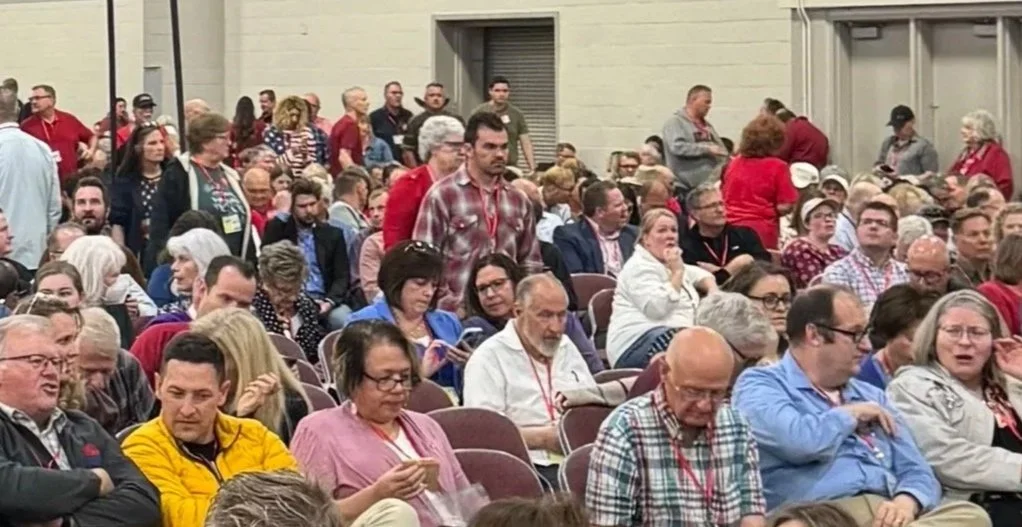
This Saturday, April 18, at the Utah County Republican Party Convention, delegates will be asked to ratify a new draft platform. I have read it. I have listened to people talk about it. I’m voting no.
Not because I’m opposed to the platform. Not because I dismiss the work that went into drafting it. I’m voting no because this draft is not ready. Read the Draft Platform.
Let me explain.
I Start at Yes
When a bill comes before my committee at the Utah State Capitol, I don’t walk in looking for reasons to kill it. I start at yes. I read it, ask questions, listen to the sponsor and the people affected, and look for ways to improve it when it has problems.
That’s the same approach I brought to this platform.
There is a lot here to support. The sections on parental rights, Second Amendment protections, religious freedom, pro-life principles, and immigration enforcement are solid. The platform’s foundation in constitutional principles and limited government is one I’m proud to stand behind.
But a bill with serious problems doesn’t get a yes vote just because most of it is well-written. A platform is no different.
The Problems I Found
Three things tell me this document wasn’t ready to bring to a ratification vote.
First: The Elected Officials Section Would Be Weaponized Against Good Legislators
This section contains a line I cannot get past: “The default vote should always be a ‘No’ vote.”
“Default to no” is not a governing philosophy. It’s a posture. Applied honestly, it would grind the legislative process to a halt on routine matters that require a yes to keep existing law functioning. A thoughtful no is earned by doing the work. It is not the starting line.
The section also says legislators should “sponsor and floor sponsor as few bills as necessary.” I chair the House Business, Labor, and Commerce Committee. Sponsoring and moving legislation is the job. As written, this language doesn’t stop bad legislators from doing bad things. It hands critics a ready-made weapon to use against good legislators who are doing exactly what their constituents sent them to do.
Second: The Document Contradicts Itself
A platform should say what it means and mean what it says. This one doesn’t in at least two places.
The Proper Role of Citizens section states that “jury nullification is a vital check on bad legislation.” I consulted with an attorney colleague on this. His assessment: it is rare, generally antiquated, and odd to include in a party platform. Jury nullification lets one jury sidestep one law in one case. That same law stays fully enforceable everywhere else. Nothing changes. The same paragraph already gives the right answer: if a law is unjust, pursue its repeal through the legislative process. Endorsing jury nullification in the next sentence contradicts that directly.
The Social Security section opens by saying Social Security and Medicare are “far beyond the minimal safety net they were intended to be,” then immediately says means testing earned benefits is “theft.” Those two positions don’t coexist. That opening framing will land poorly with seniors and retirees who have paid into these programs their entire working lives and view them as earned, not as entitlements. Pick one.
A document heading to a ratification vote should not contain internal contradictions. It signals the draft wasn’t reconciled before it was brought forward.
Third: The Constitutional Citations Weren’t Reviewed by an Attorney
The platform grounds itself in constitutional authority throughout. That’s the right instinct. But several citations don’t support the claims attached to them.
The Elected Officials' Responsibilities section cites Utah Constitution Article VI, Sections 22 and Article VIII, Section 2 as authority for its legislative conduct standards. Article VIII governs the judiciary, not the Legislature. The Food Rights section cites a Utah Constitution provision that governs water rights, not food production. The Pornography section's only cited authority is the constitutional Preamble. The Precedent section cites the Sixth Amendment, which covers the right to a speedy trial, as support for a claim about legal precedent. These are not close calls. They are mismatches that an attorney would have caught in a single review pass.
When a platform stakes its credibility on constitutional grounding, the citations have to hold up. These don’t.
Other Sections Worth Noting
A few other sections have language that needs work. The Separation of Powers section uses “Abduction” where “abdication” was clearly intended and contains language broad enough to conflict with other parts of the platform. The Energy and Environment section goes further than necessary to make its point and would benefit from tighter language. These aren’t reasons by themselves to vote no, but they add to the picture of a document that needed more review before it came to delegates.
Why I’m Voting No
If this platform came to me as a bill in committee, I would send it back. Return it to the sponsor with specific concerns, ask for amendments, and invite them to bring it back when it was ready.
That’s what a no vote on Saturday means. It’s not a rejection of the platform’s values. It’s a vote that says this draft isn’t ready, and our party deserves to get it right before it becomes official.
I want to vote yes on this platform. We’re not there yet.
Rep. Cory Maloy represents House District 52, covering Lehi, a portion of American Fork, and a portion of Saratoga Springs. He chairs the House Business, Labor, and Commerce Committee and is seeking re-election in 2026. Learn more at corymaloy.com.