They Answered the Call: A D-Day Tribute, 82 Years Later
On June 8, 1783, George Washington wrote his final circular letter to the states. The war was over. He was days away from resigning his commission and returning to Mount Vernon. He had earned the quiet. But before he went, he felt obligated to say plainly what he believed the young republic needed to survive. The letter was not a victory speech. It was a warning, written with the tenderness of someone who had paid too high a price to watch the whole thing unravel.
He named four essentials for the well-being and survival of the United States as an independent nation. Not suggestions. Essentials. And he listed them with the directness of a man who had seen what their absence cost.
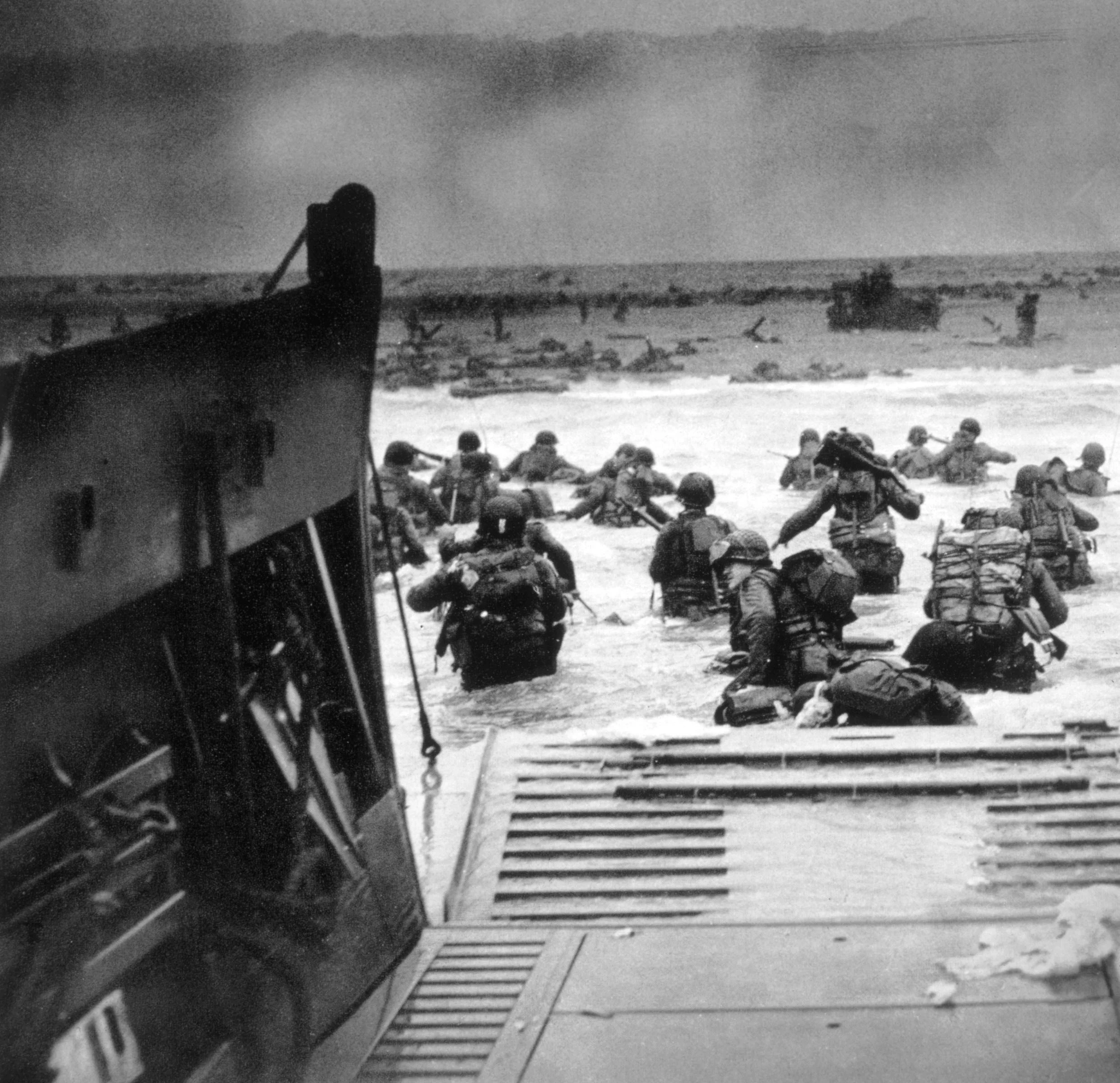
This weekend marks 82 years since Americans and other allied forces attacked offensively the Nazi forces guarding the coast of France and proved Washington’s essentials true.
What They Walked Into
The men who landed at Normandy on June 6, 1944 knew what waited for them. The casualty estimates had been delivered to General Eisenhower before the first boat crossed. He wrote a letter accepting personal responsibility for the failure of the operation before the operation began, folded it in his pocket, and gave the order anyway. The men under his command did not have the luxury of a pocket letter. They had a rifle, a ramp dropping into cold surf, and whatever they had been made of by the time they got there.
Many of them were barely older than the seniors graduating from Lehi High School this month.
Across five beaches, paratroopers, infantry, and rangers went to work in the dark against fortified positions, artillery, and a determined enemy that had spent four years building the defenses they were asked to breach in a single morning. Some of them never made it off the beach. Some made it off the beach and not much farther. The ones who pushed through did so stepping over the ones who could not.
By nightfall, the foothold was secured. The liberation of Western Europe had begun.
What Washington Taught Us About What They Did
Washington's first essential was union, the willingness of a people to hold together under pressure rather than fracture along the lines of self-interest. On those beaches, men from every corner of America held together under the worst pressure imaginable. They did not know each other's politics. They did not share each other's backgrounds. They shared a mission, and that was enough.
His second essential was public justice, keeping the promises a nation makes. The promise those men kept was not written in any treaty. It was the promise embedded in the American idea itself: that human beings are not meant to live under the boot of a tyrant. The Nazi regime had built a machine of anguish on the premise that some people do not count. The men at Normandy disagreed, and they said so in the clearest language available to them.
Washington’s third essential was preparation. Operation Overlord was two years in the making. The training, the logistics, the planning, the elaborate deception operations that kept German forces looking the wrong direction on the morning of June 6. None of what succeeded that day was accidental. Washington had argued in 1783 that a republic which will not prepare to defend itself is borrowing time. The men of the Greatest Generation prepared, and then they went.
His fourth essential was the one that cost the most. He asked Americans to be willing to give up personal advantage for the common good. To want the republic, and what it stood for, more than they wanted what was waiting for them at home. The men who did not come back from Normandy made that concession fully and finally. Everything they had hoped for, given over without negotiation.
What Utah Owes Them
Utah sent its sons to Normandy. They went as farm boys and miners and young men from small towns, many who had never seen an ocean. They went because the country asked and because their character would not let them say no.
Washington closed his 1783 letter with a prayer. He asked God to incline American hearts toward justice, mercy, and humility. Those words were 161 years old when the men they described went into action on the beaches.
The republic Washington fought to establish, and prayed would endure, survived because of what those men did on June 6, 1944. It survives still because of what they left behind, not just the freedom they secured, but the example they set.
We did not make the call they answered. We only get to live in what their answer made possible.
Remember them this weekend.
Rep. Cory Maloy represents Utah House District 52, covering western Lehi, a portion of American Fork, and Saratoga Springs. He serves as Chair of the House Business, Labor, and Commerce Committee.